Large selection of exciting producers and fast flat rate shipping!
Your cart is currently empty
Product image slideshow Items
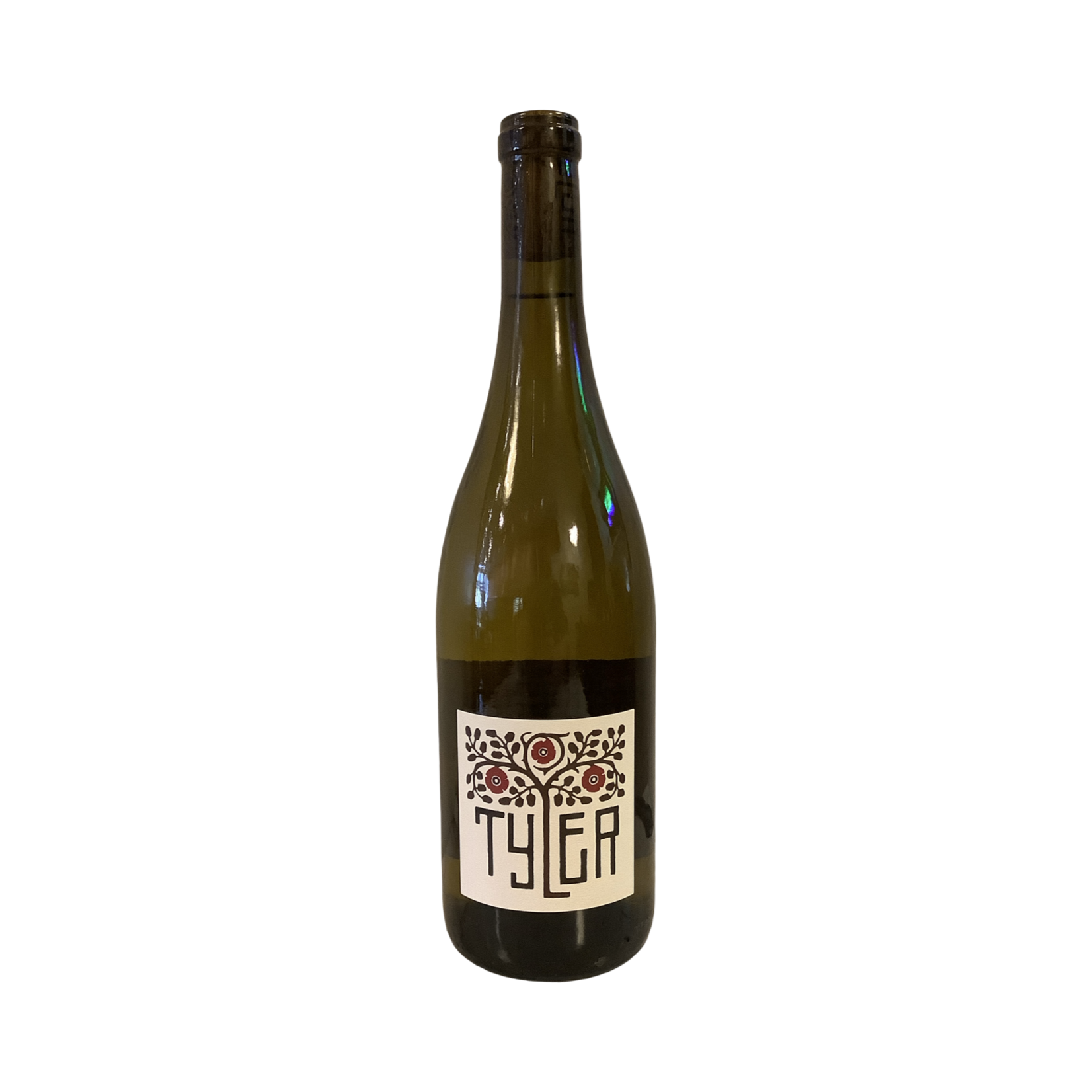
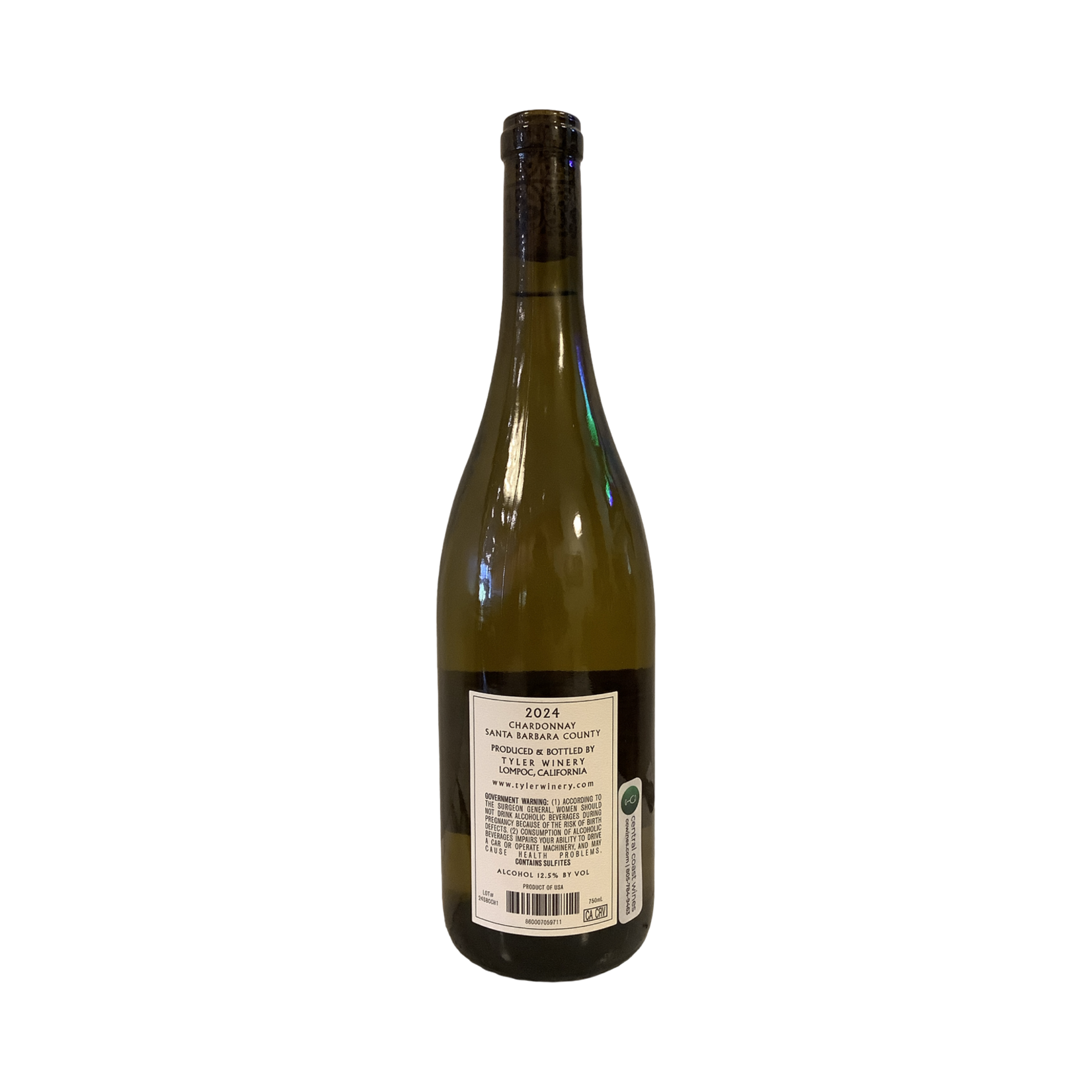
A Chardonnay of structure, clarity, intensity and subtlety. It is not in-your face oaky, but it’s not driven ultra-lean and steely. Plenty of dry extract, a long, mineral finish, a touch of fruit up front on the palate, with focus and precision.
Bigger is not necessarily better in the wine world. There is a certain kind of California Chardonnay that seeks amplitude first. Bigger fruit, more oak, lusher texture, more insistence that “I knew Helen Turley when she was still making Zinfandel for her brother.”
Tyler Winery has long traveled in the opposite direction. Sprung from the mind of winemaker Justin Willett, Tyler Chardonnay is less an exercise in power than in calibration. Willett sensibility is Burgundian, though not the caricature of one. These wines are not imitations of Meursault or Puligny-Montrachet so much as translations of the Sta. Rita Hills and broader Santa Barbara County into a language of restraint, saline tension, and transparency. What first strikes you is not fruit, but shape. The wines move across the palate with a kind of tensile grace, carrying citrus, orchard fruit, and marine-inflected minerality in proportions that feel almost uncannily composed.
Fruit sourcing is central to the Tyler identity. Willett works only with cool-climate sites shaped by Pacific influence, where long growing seasons preserve acidity and detail. Tyler’s appellation wines, particularly this Santa Barbara County Chardonnay, often draw from younger vines or declassified lots from these pedigreed vineyards, which partly explains why the wines routinely outperform their price category. There is a confidence in the sourcing. Willett appears less interested in assembling blockbuster ripeness than in preserving site expression, even when working across multiple vineyards.
The cellar work follows the same philosophy of understatement. Justin’s work is meticulous, to say the least. Fruit sorting is draconian. Fermentations are typically carried out with native yeasts, and élevage tends toward neutrality rather than oak display. New barrels are used sparingly, often to the point of invisibility, while extended lees contact contributes texture without heaviness. Malolactic fermentation is handled judiciously, enough to soften the edges perhaps, but rarely enough to blur the wine’s natural line. The resulting Chardonnays possess that increasingly rare quality in California wine, inviting contemplation without demanding attention. One finishes a glass not with the sense of having been immediately impressed, but with the rather sobering realization that the wine has quietly rearranged one’s expectations of what modern California Chardonnay can be.