Large selection of exciting producers and fast flat rate shipping!
Your cart is currently empty
Product image slideshow Items
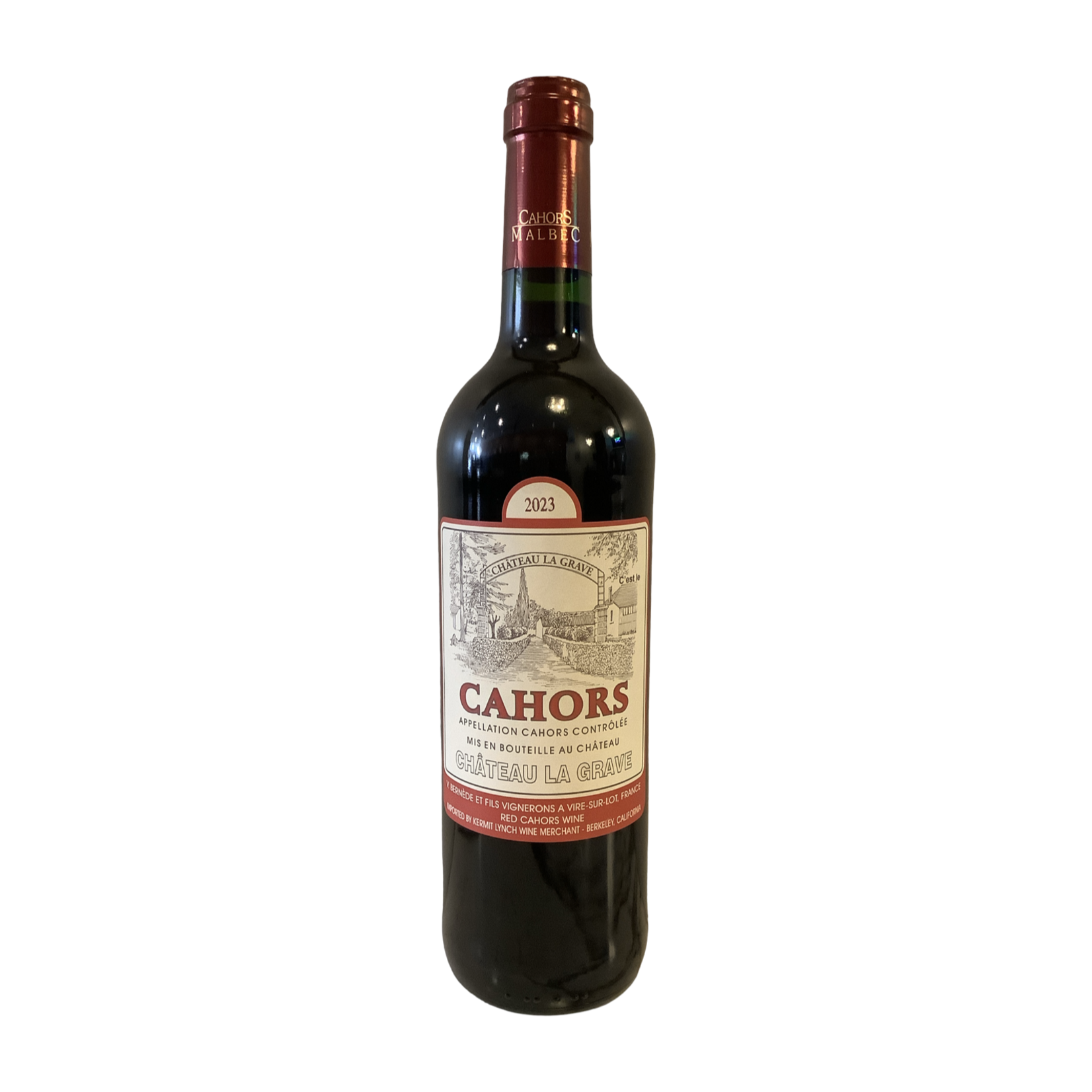
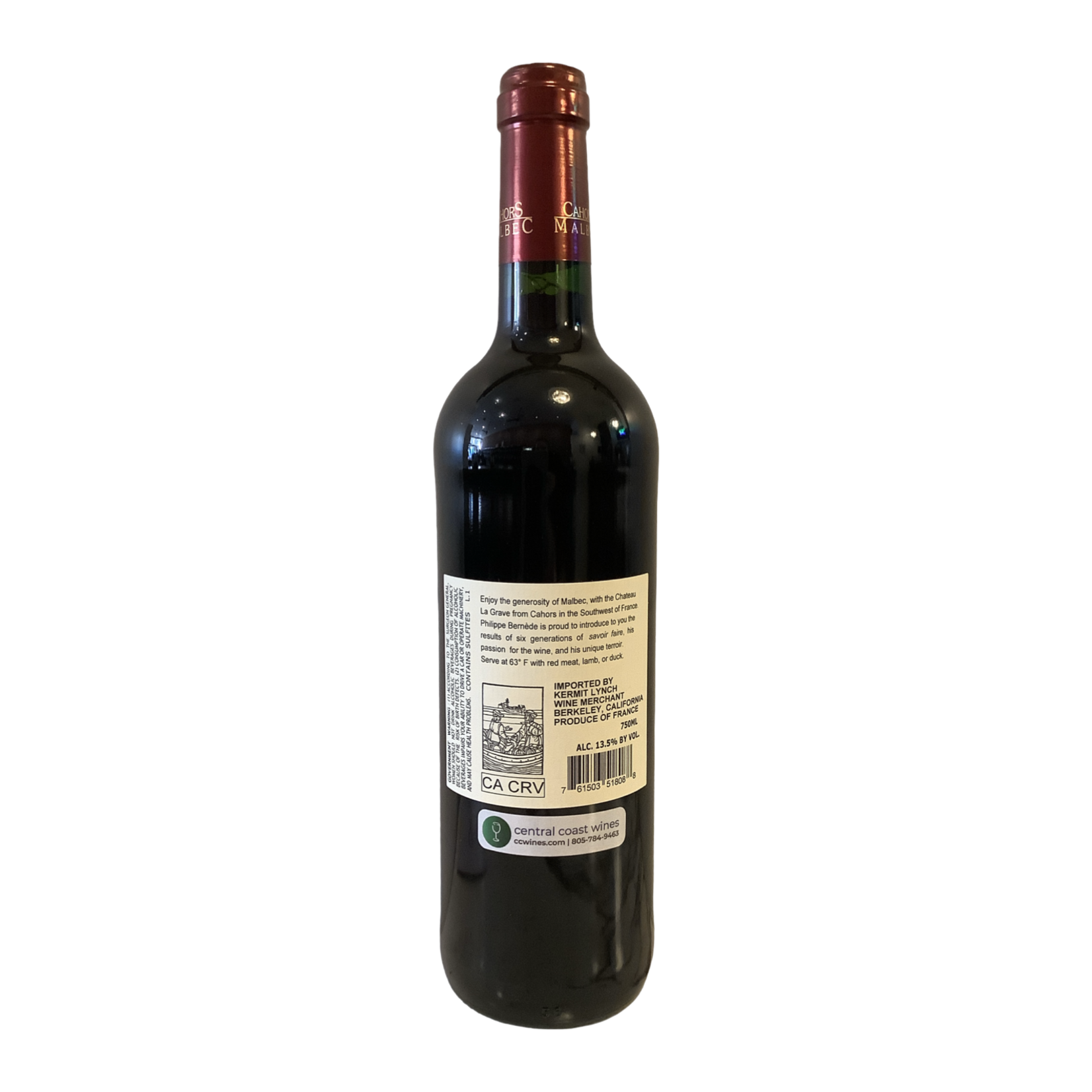
Blackberry, plum, violets, and a hint of graphite over smooth tannins and a long finish. Way underpriced for how good this is. Put that Petite Sirah down and drink this instead. You (and your GIRD) will thank me for this advice.
Cahors is where Malbec first learned to take a punch. The old vines clawed at limestone and gravel, shrugged off wars, plagues, and whatever cosmic jokes history played. Then some bright souls hauled cuttings across the ocean. That they were Italian souls hauling French cordons is one of those “don’t ask” situations, so let’s not. Regardless of the geopolitics, the grapes reached Mendoza. They stretched their legs in the sun. Their roots extended deep into the soil and liked it and eventually they became famous. That is how these things go when you’re growing grapes in times of economic and political upheaval.
People talk about Argentine Malbec like it sprang fully formed from the Andes. Dr. Laura Catena will politely remind you that nothing great appears without ancestors. Tim Atkin will pour another glass and sketch the family tree. Both will point you back to Cahors. Both will point you back to Eleanor of Aquitaine, and her court of love, where her retinue drank The Black Wine of Cahors (Malbec) and danced and made merry. As Duchess of Aquitaine and later Queen of France (and then Queen of England), she helped elevate awareness of Cahors. It was later that it migrated to Argentina, a place that later went ga-ga over blending Fernet Branca with Coca-Cola, making some discerning drinkers really wonder if sending Malbec from Cahors to Mendoza was a good thing. Yes, it was, but the Cahorsians (Cahorans? Cahorites?) didn’t pay it no nevermind.
Cahors never fussed over fame. The people kept working. The place stayed brooding. It grew Malbec that tasted like nightfall. And here comes Philippe Bernéde’s Château La Grave, carrying that old-world gravity like a pocket watch inherited from a stubborn grandfather who would have preferred to sell the timepiece to his grandson. The wine is dark and fragrant. It smells of blackberry, damson, mortar-and-pestled spice. Maybe a little leather from grandpa's watchband too. It has that Cahors grip that lets you know it means business.
Yet it also feels strangely hopeful. Maybe because every sip remembers where Malbec has wandered, and how far it still intends to go. Drink it now. Or wait a decade. Either way, the wine will tell you the same thing. Roots matter. Journeys matter too. Don't stop believing, dude.